| Published 12:26 PM MST, Thu March 20, 2025 |
Here are the other doctors or specialists that PD patients might want on their care team.
Urologist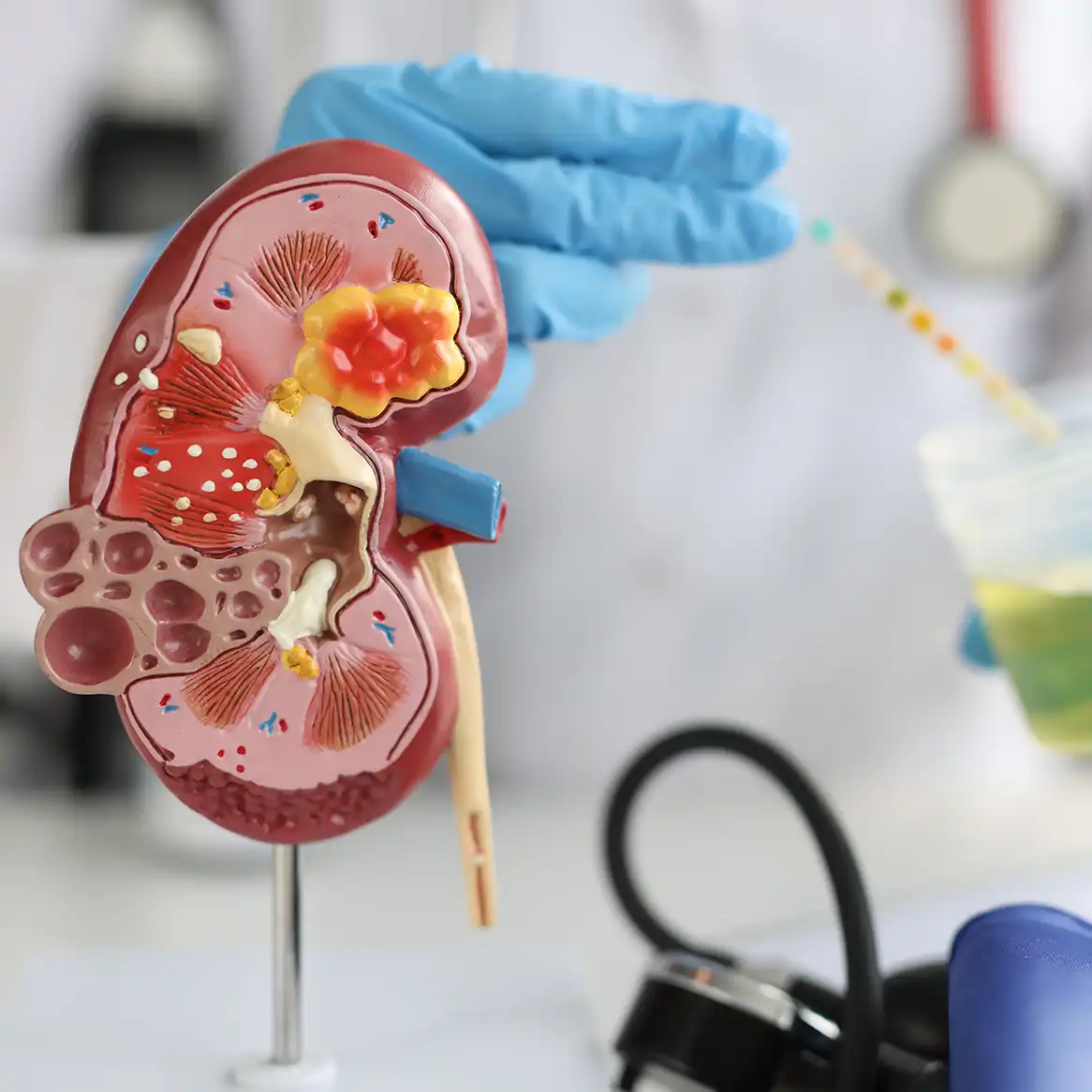
30-40% of PD patients have urinary difficulties such as bladder control issues and urinary retention, and the likelihood of this grows with the elderly. These patients would benefit from occasional urologist visits to address these issues.
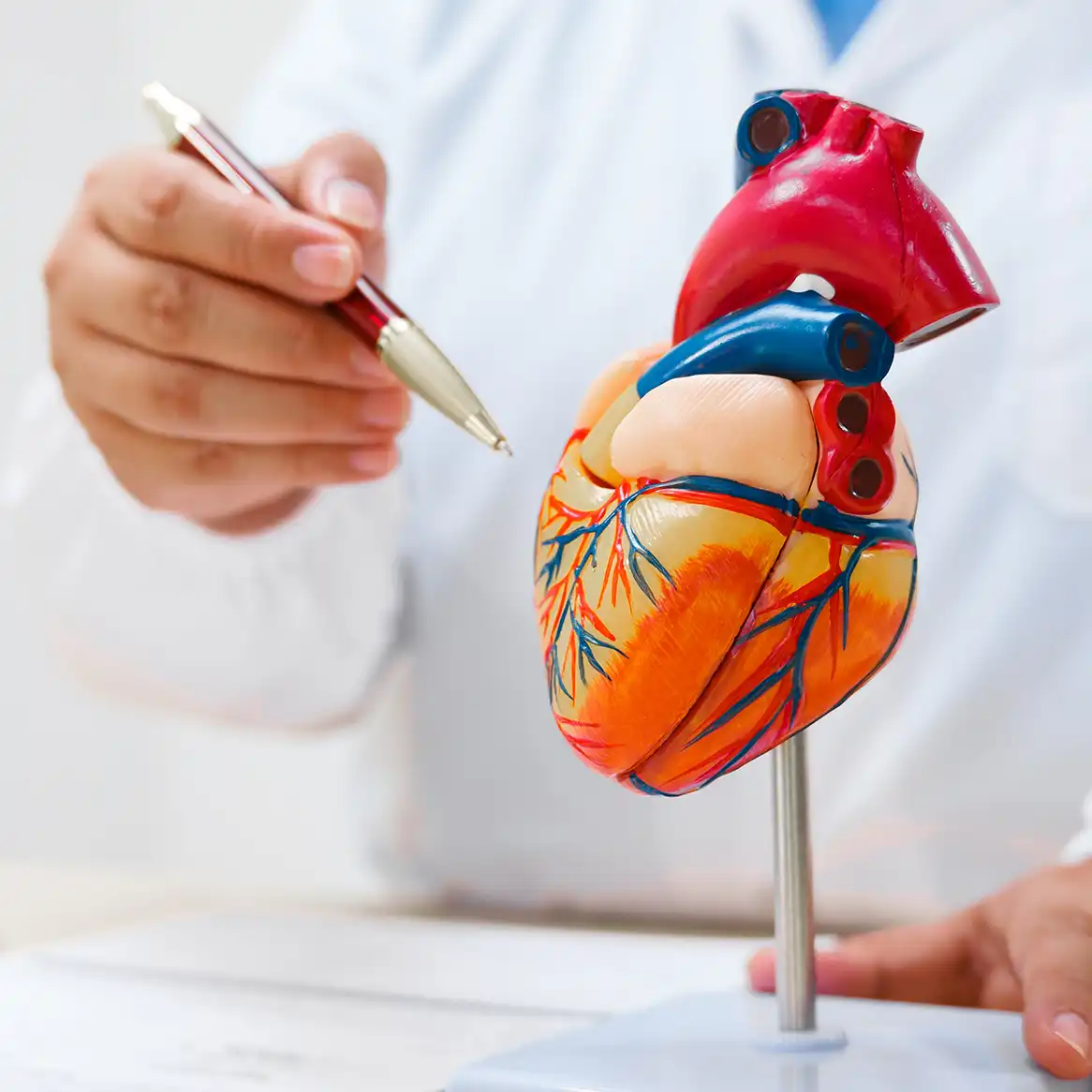 Cardiologist
Other cardiovascular issues seem to be more prevalent amongst PD patients such as ischemic heart disease or arrythmias. Medications for PD such as levodopa can also cause adverse cardiovascular reactions, so it’s also important to have a cardiologist onboard the care team to watch over these potential reactions.
In general, aging patients and the elderly are most likely to see their cardiologist or urologist anyway, and they would be beneficial too in managing their PD-related heart and urinary symptoms.
Dermatologist
It’s well observed that persons with PD are predisposed to acquiring certain dermatologic disorders such as rashes in the form of seborrheic dermatitis. A long-term red rash or flushing of the face, rosacea, is also observed to occur frequently with PD patients. They are also found to be more prone to skin cancer, especially melanoma. There should also be a yearly skin exam to check for certain skin cancers. Also, auto-immune skin diseases such as bullous pemphigoid are seen more in elderly PD patients.
If and when such skin diseases present in your PD patient, it's very important to have a dermatologist manage these to not cause any more psychosocial distress to the patient and/or affect the patient’s quality of life.
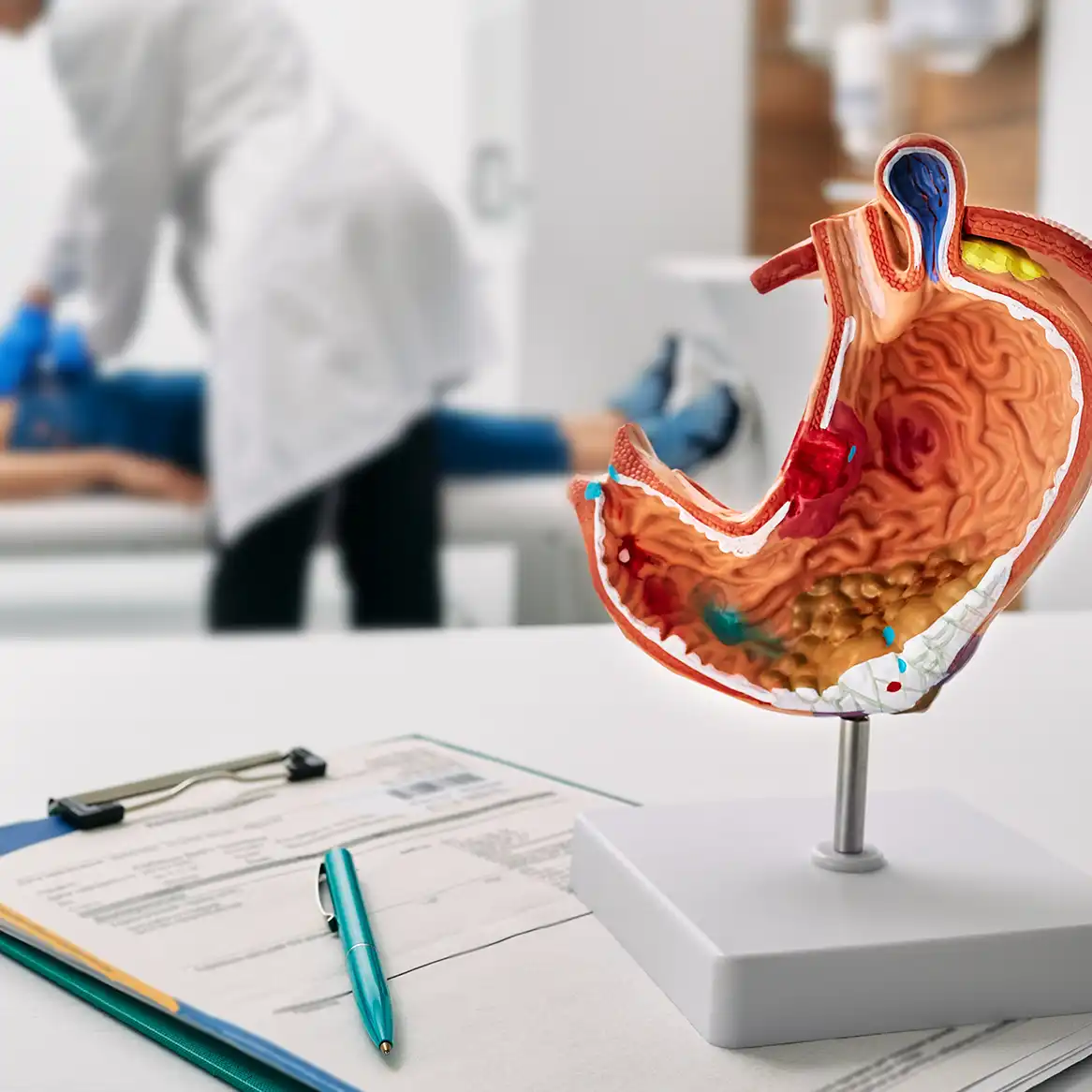 Gastroenterologist
We’ve already established that a patient with PD may present with swallowing problems, but there’s also a high likelihood that these patients present with symptoms of the gut. These symptoms are similar to most motor/neuro symptoms that already ail the patient but now affect the gastrointestinal system. These include GERD, constipation, dyspepsia or indigestion, gastroparesis (delayed gastric emptying), and such. These GI issues are fairly common and their occurrence somewhat intersects with the patient's age as they grow older.
Management of these symptoms would usually be outside the realm of what a general practitioner covers. Gastroenterologists can provide a highly personalized treatment approach to address the specifics of a PD patient’s symptoms.
Neuro-ophthalmologist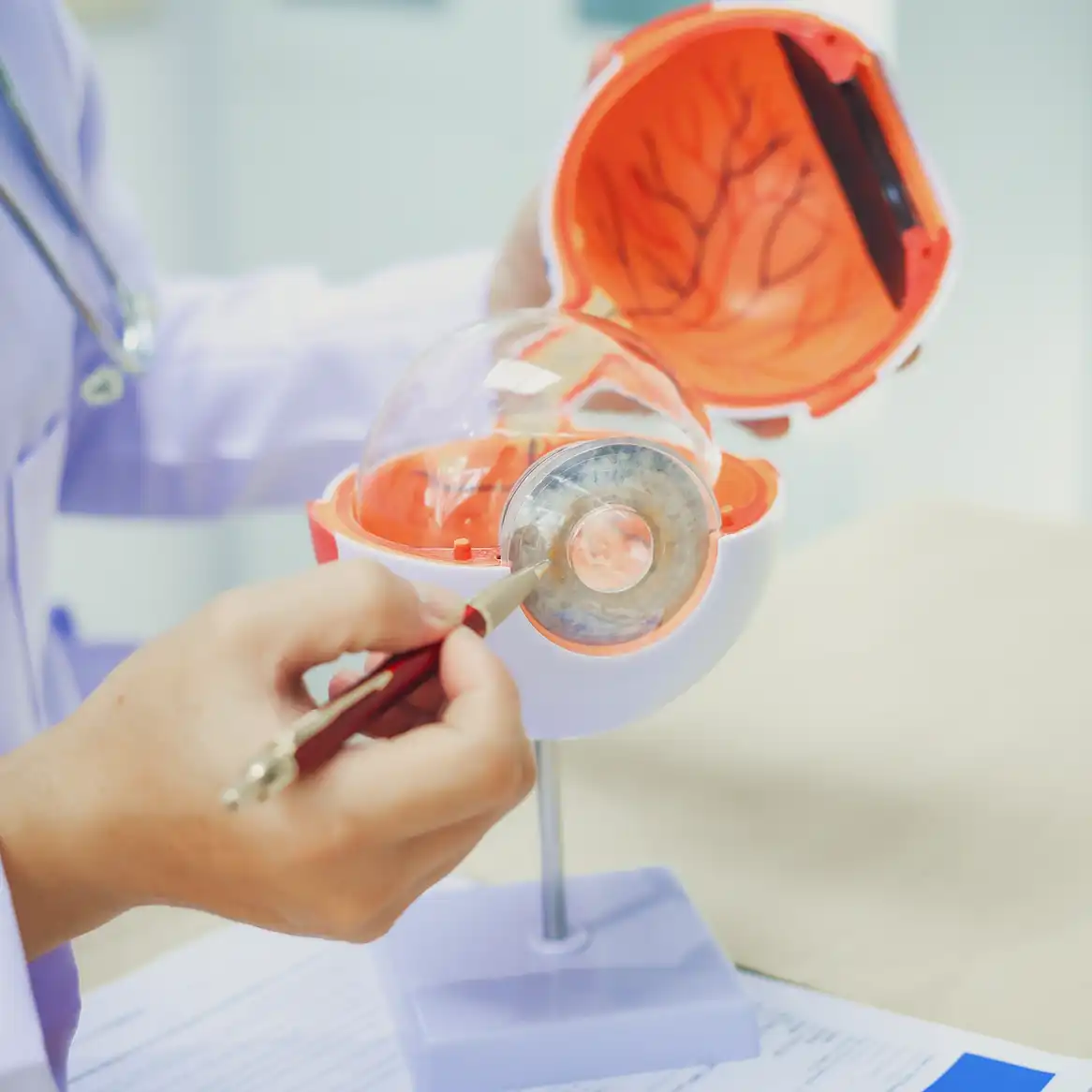
Interestingly enough, the diagnosis of vision symptoms and disorders can lead to an early diagnosis of Parkinson’s disease. Some disorders of the eye are neurodegenerative in nature and can be a clinical marker for PD. It would take a neuro-ophthalmologist to ascertain which symptoms are your usual visual disorders and which can be associated with PD.
Managing these early on and identifying whether they’re PD-related or not is vital in limiting the occupational risks associated with vision problems.
Orthopedist
As PD patients progress, their motor symptoms predispose them to occupational risks and accidents such as falls or tripping over objects. These accidents may lead to injuries that may require surgical intervention. The risk of fracture, osteopenia (decrease in bone density), and osteoarthritis are also shown to be more common in patients with PD related to their age. The likelihood of seeing an orthopedic doctor grows with disease progression and age, but mostly with regards to surgical treatment and post-op management - if ever the patient requires it.
 Social Worker
Some PD patients may have trouble paying out of pocket or have issues with their insurance coverage. Social workers can help them get access to community-funded resources and support groups to aid with their condition at less cost or for free. Besides getting you access to cheap healthcare, social workers can assist PD patients by just helping them get around the local healthcare community.
Conclusion
The above concludes our list of doctors or specialists you might want on your care team. In case you missed it, here's a link to part one of this article.